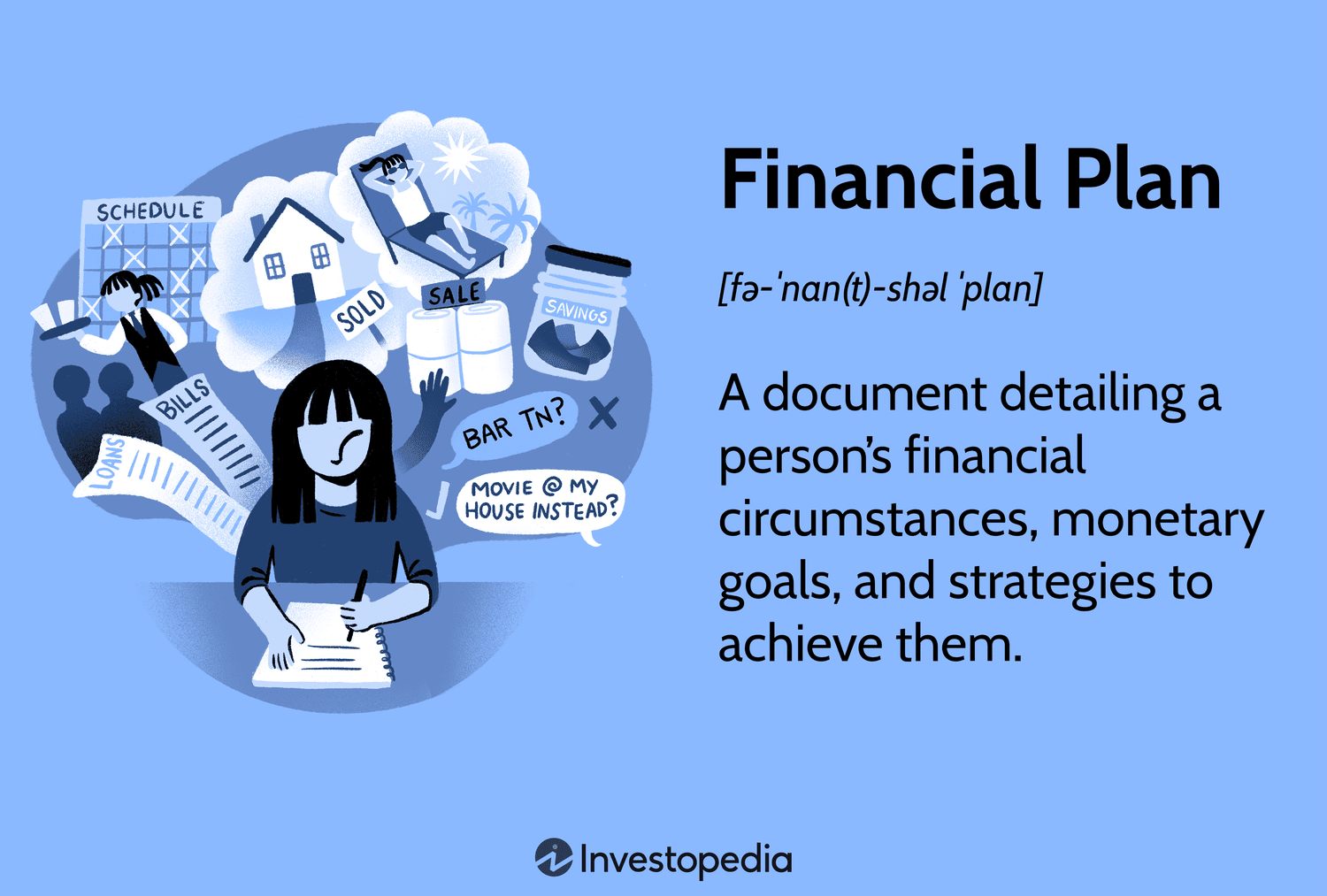
A CEO-Friendly Strategic Guide to Personal and Business Financial Management
Disclaimer: This guide is educational and informational. It provides strategies for debt management and financial planning. It is not financial advice and does not guarantee results. All financial decisions should be made with professional guidance where appropriate.
1. Introduction: The Importance of Financial Discipline
In both personal and professional life, understanding the dynamics of debt is critical. CEOs and investors recognize that financial leverage can accelerate growth but can also endanger sustainability if mismanaged. This guide explores the strategic frameworks necessary to plan for a secure future while avoiding excessive debt.
Debt, when used responsibly, can fund business expansion, investments, or personal growth. However, excessive debt can lead to financial stress, reduced flexibility, and compromised decision-making.
The objective of this guide is to provide a CEO-friendly, structured approach to:
- Assessing your financial position
- Evaluating borrowing decisions
- Implementing risk controls
- Planning for long-term wealth and stability
2. Understanding Debt: The Strategic Perspective
Debt can be classified broadly into:
2.1 Good Debt vs Bad Debt
- Good Debt: Financing that creates value or generates income. Examples include:
- Business expansion loans
- Education or professional development
- Investments with predictable returns
- Bad Debt: Borrowing for consumption without future income benefits. Examples include:
- Excessive credit card debt for lifestyle spending
- High-interest personal loans with no asset creation
Recognizing the difference is fundamental for long-term planning.
2.2 The Cost of Debt
Interest rates, fees, and repayment terms impact overall financial health. From a CEO perspective, consider:
- Debt as a capital allocation decision
- Comparing the cost of debt to expected returns
- Evaluating the risk of over-leverage
2.3 Debt-to-Income and Debt-to-Asset Ratios
Metrics that provide clarity on financial exposure:
- Debt-to-Income (DTI): Measures your capacity to handle debt payments relative to income.
- Debt-to-Asset (DTA): Assesses how leveraged you are relative to owned assets.
Maintaining healthy ratios ensures flexibility and sustainability.
3. Strategic Financial Planning
3.1 Setting Clear Financial Goals
- Define short-term, medium-term, and long-term objectives
- Align borrowing decisions with measurable goals
- Prioritize financial independence and risk management
3.2 Cash Flow Management
- Regularly track income and expenses
- Maintain an emergency fund equivalent to 3-6 months of essential expenses
- Forecast future cash needs to avoid reactive borrowing
3.3 Budgeting and Capital Allocation
- Allocate capital based on priority: essential obligations, strategic investments, discretionary spending
- Use zero-based budgeting to justify every expense and debt obligation
- Ensure that debt repayments do not compromise essential investments or cash reserves
4. Risk Assessment and Mitigation
4.1 Evaluating Borrowing Risks
Before taking debt, evaluate:
- Interest rates and repayment schedule
- Flexibility of terms
- Impact on operational or personal cash flow
- Contingency plans for unexpected scenarios
4.2 Building Safety Margins
- Maintain liquidity buffers
- Avoid debt commitments exceeding manageable portions of income or cash reserves
- Diversify income sources to reduce dependence on borrowing
4.3 Scenario Planning
Use stress testing to simulate scenarios such as:
- Loss of income
- Rising interest rates
- Market downturns
This allows informed decisions and prevents overexposure.
5. Debt Reduction Strategies
5.1 Prioritizing High-Interest Debt
- Target high-interest obligations first
- Consolidate debt where appropriate to reduce interest expense
5.2 Structured Repayment Plans
- Use methods like the avalanche or snowball repayment approaches
- Track progress regularly and adjust for changes in income or expenses
5.3 Leveraging Financial Advisors
Professional guidance ensures debt reduction strategies are tailored to personal or business financial structures.
6. Leveraging Debt Responsibly
6.1 Debt as a Growth Tool
Strategically applied debt can support:
- Business expansion
- Capital investments
- Leveraged returns on assets
6.2 Monitoring Leverage Ratios
Regularly review debt exposure relative to income and assets to prevent over-leverage
6.3 Maintaining Flexibility
Avoid long-term debt obligations that limit operational or personal decision-making
7. Financial Education and Continuous Learning
- Stay informed about credit markets, interest rate trends, and economic conditions
- Attend professional finance workshops or webinars
- Encourage a culture of financial literacy for teams or family members
Continuous education prevents common pitfalls and supports strategic decision-making.
8. Integrating Debt Management into Strategic Planning
8.1 Align Debt with Strategic Objectives
Borrowing should always support clear objectives:
- Business growth projects
- Personal wealth-building strategies
- Risk-managed investment opportunities
8.2 Periodic Financial Reviews
Regularly assess debt levels, repayment progress, and alignment with long-term goals
8.3 Risk-Adjusted Decision Making
Make borrowing decisions considering probability of outcomes, interest costs, and operational impact
9. Case Scenarios for CEOs and Professionals
9.1 Personal Debt Management Case
A CEO prioritizes mortgage and high-interest credit card repayment, while strategically using low-interest business loans for expansion.
9.2 Corporate Debt Strategy Case
A small business balances operational loans and strategic capital investments, maintaining cash flow buffers and contingency plans.
9.3 Risk Mitigation Case
A professional investor uses scenario planning to model debt obligations against worst-case market scenarios, maintaining solvency even under stress
10. Tools and Resources for Debt Planning
- Financial dashboards for tracking income, expenses, and debt obligations
- Budgeting software for scenario simulations
- Professional advisors for tailored risk assessment
- Educational platforms to improve financial literacy
11. Psychological Discipline in Debt Management
- Avoid emotional borrowing or reactive decisions
- Maintain strategic focus on long-term goals
- Implement accountability through tracking and periodic reviews
Financial discipline, much like corporate governance, ensures sustainable growth and risk containment.
12. Long-Term Vision: Building Wealth Without Excessive Debt
- Plan investment and spending around strategic objectives
- Maintain healthy liquidity and leverage ratios
- Use debt to enhance value, not to fuel unnecessary consumption
- Build a culture of continuous assessment, learning, and adjustment
13. Conclusion
Understanding how not to get too deep in debt is fundamental to both personal and professional financial success. CEOs, investors, and professionals can benefit from a structured, disciplined, and strategic approach to borrowing, repayment, and long-term planning.
Debt, when managed responsibly, becomes a tool for growth, not a source of risk. By implementing the strategies outlined in this guide—clear goal setting, cash flow management, risk assessment, education, and discipline—any professional can plan their financial future with confidence and resilience.
“Strategic debt management is not about avoiding borrowing altogether—it is about leveraging capital intelligently, controlling risk, and building sustainable wealth.”
Debt mistakes are made constantly and create many severe problems for families all around, no matter who you are or where you came from. Nobody is too good to get themselves into trouble, whenever it comes to an overload of debt problems. So, be aware that debt pile up can happen to you if you are not always very cautious and careful about how you spend your money and how much money you are spending, it can all add up and turn out to be a major headache down the road for you.
Getting debt relief as early as possible is very important because if you let it consistently grow into a higher mountain of debt, then all you are really doing is destroying your chances of having any sort of stable financial future and I am quite certain that none of you really want that, right? Debt can bring you down to a low level that you never thought to be possible, before now. As an adult it is really important that you understand how debt can put such a big ugly damper on your future and figuring out what you can do to alleviate any old debt early on is really the key to a successful and much less stressful future.
Your debt problems can cause you health problems, as well as marital problems too. Too many relationships fail all because debt piled up so severely that there was a constant strain, stress or struggle going on throughout the duration of the marriage or whatever it was. This is a problem that you have all heard about, I am quite sure of, atleast one time or another. Do you want to be the next person in a relationship having to go through something so unnecessary? No, I do not think you do and I know you can do better than what you have been doing, so prove it to yourself, fix your finance condition immediately.
Debt advice is very helpful and very important for anyone going through these types of struggles. However, with that said, it is also very, very crucial that the debt advice you are currently receiving is most helpful and accurate. If you are getting inaccurate debt advice then you could definitely end up in much worse financial shape than you are currently in, which is not something that any of you ever want for yourself, right.
Knowing that you are seeking the most helpful type of debt advice is important, which is why it is up to you to get online and do some of your own research or search through other types of sources, where you will be able to find the advice that is going to be most beneficial to you and your family, otherwise you could just be wasting your precious time and time is something that is precious to most of us, so I know you do not want to waste yours.
Tinggalkan Balasan